
Should You Be a Team?
Should You Be a Team?
Recently, I met someone interested in team driving. She had a potential partner lined up, but that arrangement fell through. Now she's searching again, open to either a male or female co-driver. This isn't about helping her find someone-it's about encouraging you to think carefully before deciding if team driving is right for you.
Driving as a team can sound appealing. More miles, potentially higher income, and the ability to keep the truck moving almost constantly are all advantages. But what often gets overlooked are the personal and professional challenges that come with sharing such a confined space and high-responsibility role with another person.
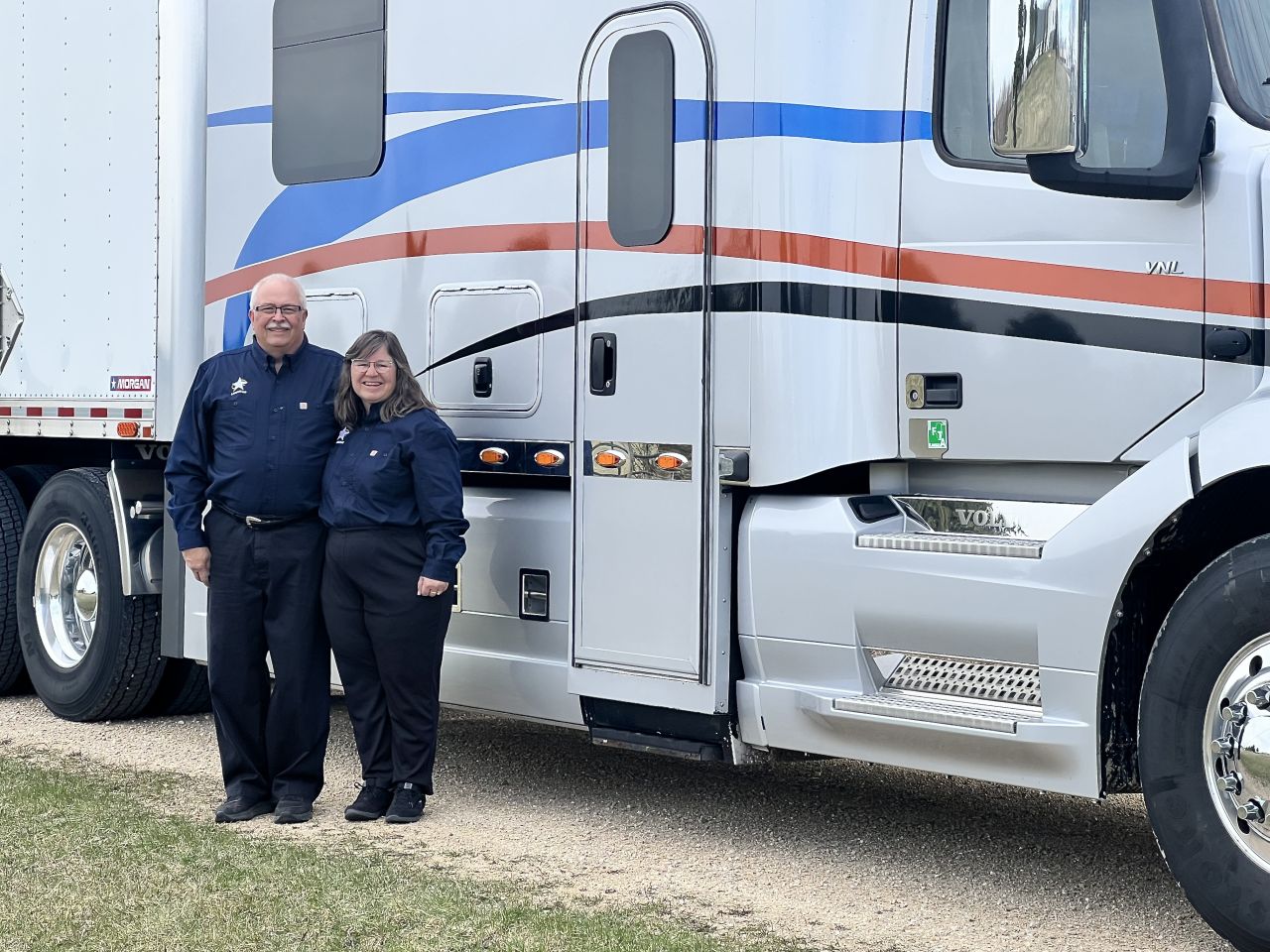
From personal experience, I can say that team driving isn't always easy. Driving with my husband has tested both our marriage and our business. We've had to learn patience, communication, and compromise in ways we never expected. The upside is that we've grown stronger-but that growth didn't come without effort.
If you're considering teaming up with someone-especially someone you don't know well-there are several critical questions you need to ask.
First, can your personalities realistically coexist in a very small space for extended periods? A truck cab doesn't offer much room for privacy, and even minor habits can become major frustrations over time.
Second, can you trust your co-driver completely? This goes beyond personality. You need to know they prioritize safety, follow regulations, and make sound decisions on the road. Your life, livelihood, and reputation are directly tied to their actions.
Third, how will you divide responsibilities? Who drives which shifts? Who handles maintenance? Who communicates with dispatch or finds loads if you're operating independently? Without clear agreements, misunderstandings can quickly escalate.
If you plan to operate as a business, things become even more complex. Will you both have equal ownership? Who manages the finances? How will income be split? These are not small details-they're the foundation of your working relationship.
Even something as simple as determining pay can become a source of tension if expectations aren't aligned from the start. Transparency and agreement are essential.
What I've observed over time is that most successful teams share some kind of deeper connection. Many are spouses, siblings, or parent-and-child teams. That built-in trust and familiarity often make it easier to navigate the inevitable challenges. That's not to say teams of acquaintances can't succeed-but it does mean they require even more intentional communication and planning.
Team driving isn't just about logistics-it's about partnership. Before you commit, take the time to evaluate every angle. The road is long, and the wrong partnership can make it feel even longer.
Here's to millions of safe, profitable and TEAM miles.
Kelly Plumb