
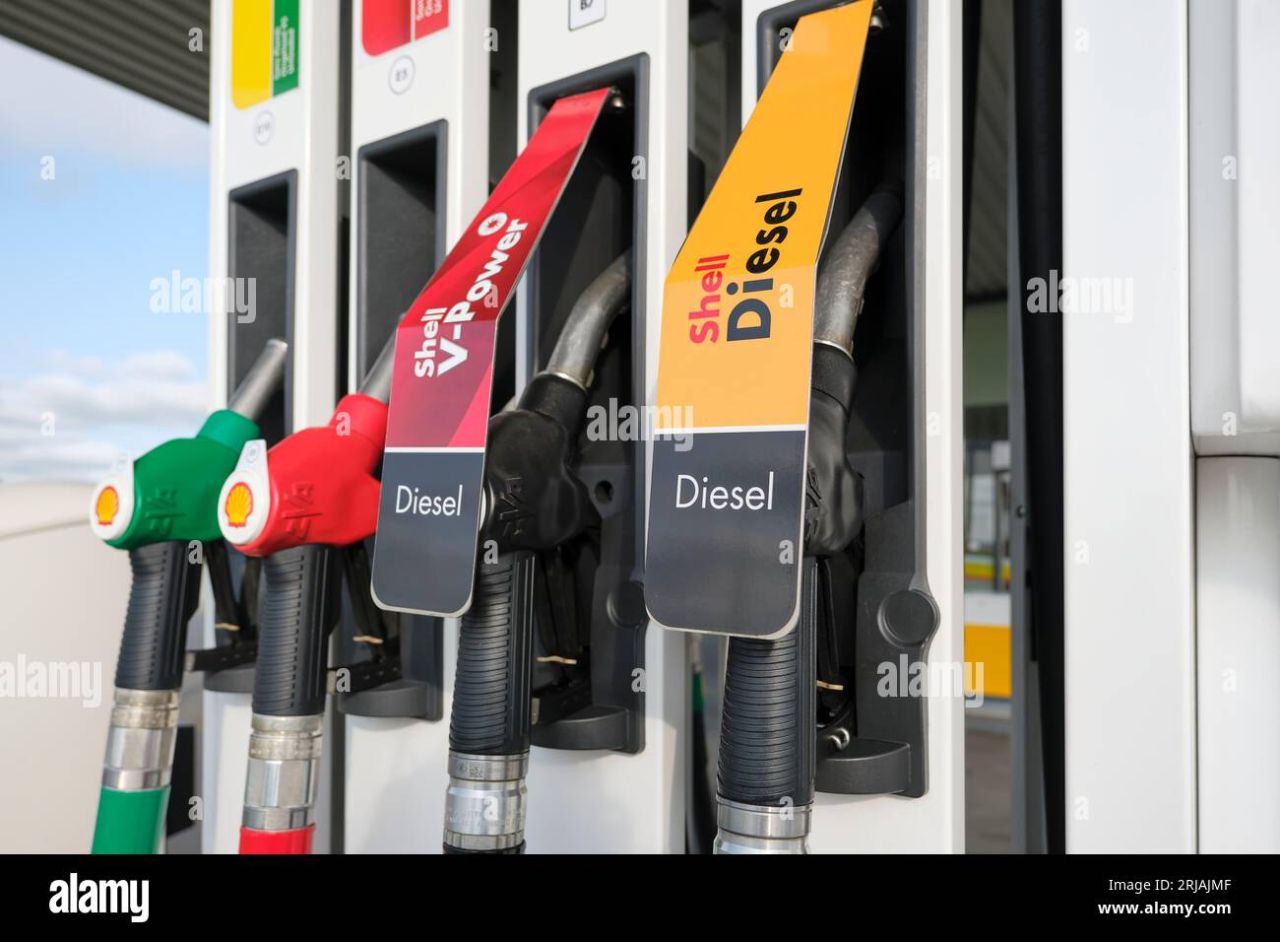
What's Your Fuel Economy?
What’s Your Fuel Economy?
Recently I was going through our fuel costs. I keep receipts as well as weekly and monthly Comdata statements. While I normally do not spend a great deal of time looking at the statements, this time I took a long look at the monthly statement. What I found left me confused because the statement did not break out the diesel exhaust fluid (DEF) purchases from the regular fuel cost. The statement showed a “fuel purchase” with the date the purchase was made and the location where the purchase occurred.
This got me to thinking about how other truck drivers calculate their fuel economy. I also wonder if other drivers calculate their DEF economy as well. Do you keep track of your fuel and DEF economy? If you do, on what do you base your statistics?
We have several ways of tracking our fuel and DEF economy. Here are some that we use:
1. To give us a quick and immediate result we use the miles tracked on our GPS divided by the total number of gallons needed to fill the tanks. That quick calculation gives us an immediate estimate which lets us know that the truck is running as expected. The downside is that this is only for fuel. This calculation does not include DEF consumption.
2. By looking at weekly or monthly fuel card statements a driver can also get a rough estimate of fuel economy. However, as stated above, the fuel and DEF may not be shown as separate transactions. In this case, needed information may be skewed.
3. Finally, another way to get a more accurate result is to subtract ending mileage from beginning mileage between fill-ups and divide this number from the total number of gallons added when filling up the tanks. This can be done for both fuel and DEF giving a much more accurate picture of economy. I have separate spreadsheets for fuel and DEF so that I am able to quickly calculate both independently.
Most drivers understand the importance of knowing fuel economy; however, some might not realize the need for DEF economy. In both cases, the results might be telling us something very important. For example if the fuel economy decreases, it could be something as simple as the time of year or the routes being driven. Whereas with fluctuations in DEF consumption there could be other issues going on. If DEF consumption goes up, there could be maintenance issues with the engine.
This is not an exhaustive list of why it is important to keep track of both fuel and DEF economy. It is meant to make drivers aware of the importance of fuel and DEF statistics. In the end, by keeping track of fuel and DEF economy a driver might find potential mechanical issues before they become a more catastrophic concern.
Here’s to millions of safe, profitable and ECONOMIC miles.
Kelly Plumb